









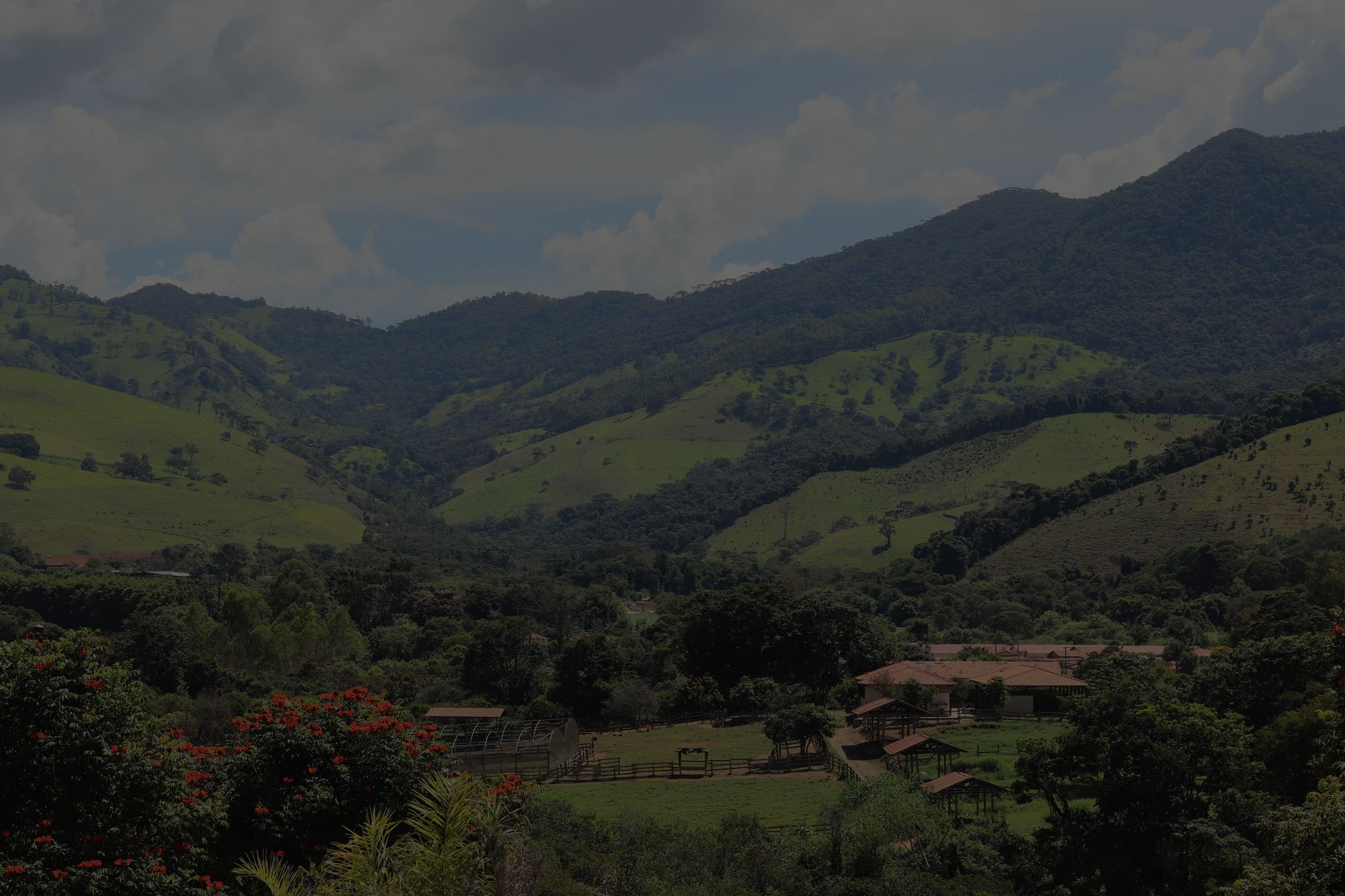
1: Traceable to the farm
If a brand tells you exactly where the coffee comes from, it is much easier to verify whether the farm lives up to certain ethical standards.








The bad news: there's no single certification that guarantees your coffee is free from key abuses like deforestation, child labor, union busting, and poverty wages.
Still, the good news is: you can make far better choices with a bit of guidance.
This guide breaks down what to look for, what to avoid, and how to choose coffee that is better for people and planet.
Every cup of coffee has a footprint — environmental, social, and economic. Ethical coffee aims to reduce harm and increase fairness across all three.
If a brand tells you exactly where the coffee comes from, it is much easier to verify whether the farm lives up to certain ethical standards.
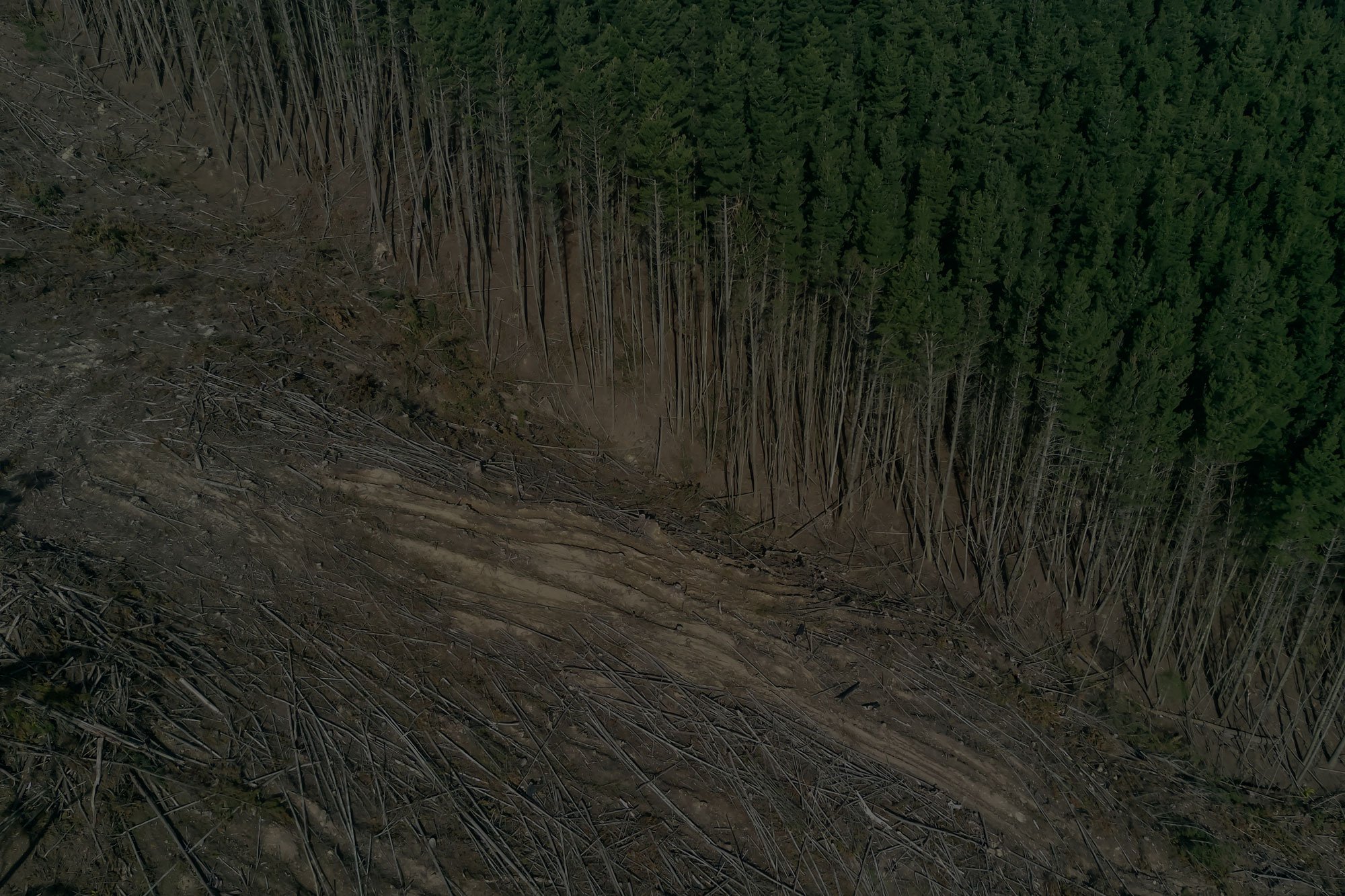
The company you buy from should be able to prove they have not sourced from a forest that was recently cut down for coffee production.
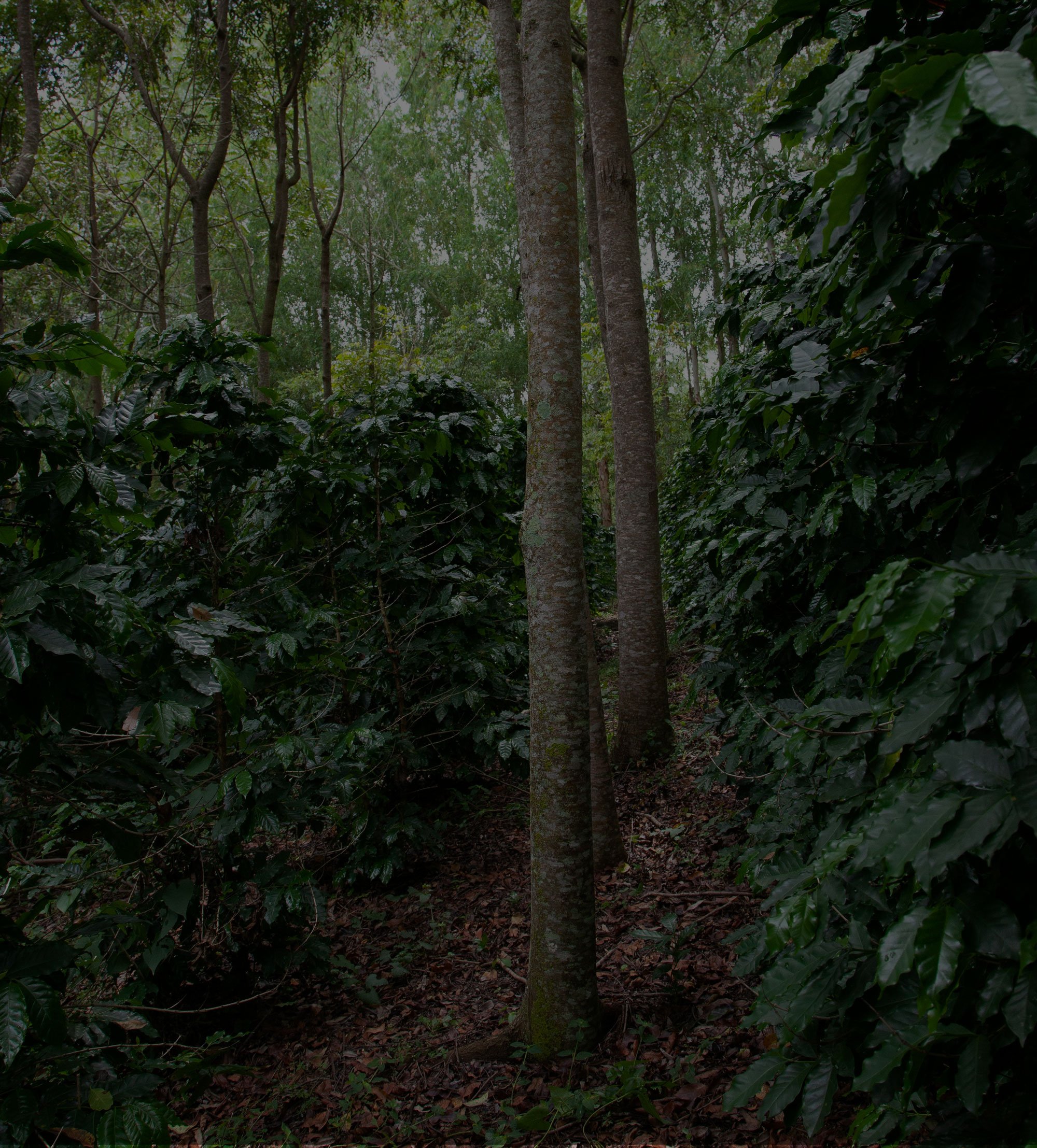
Coffee grown under tree canopies is often called “shade-grown” or “agroforestry” coffee. This can support around 19 times more biodiversity, store double the carbon (or more), and so much more. It even tastes better!
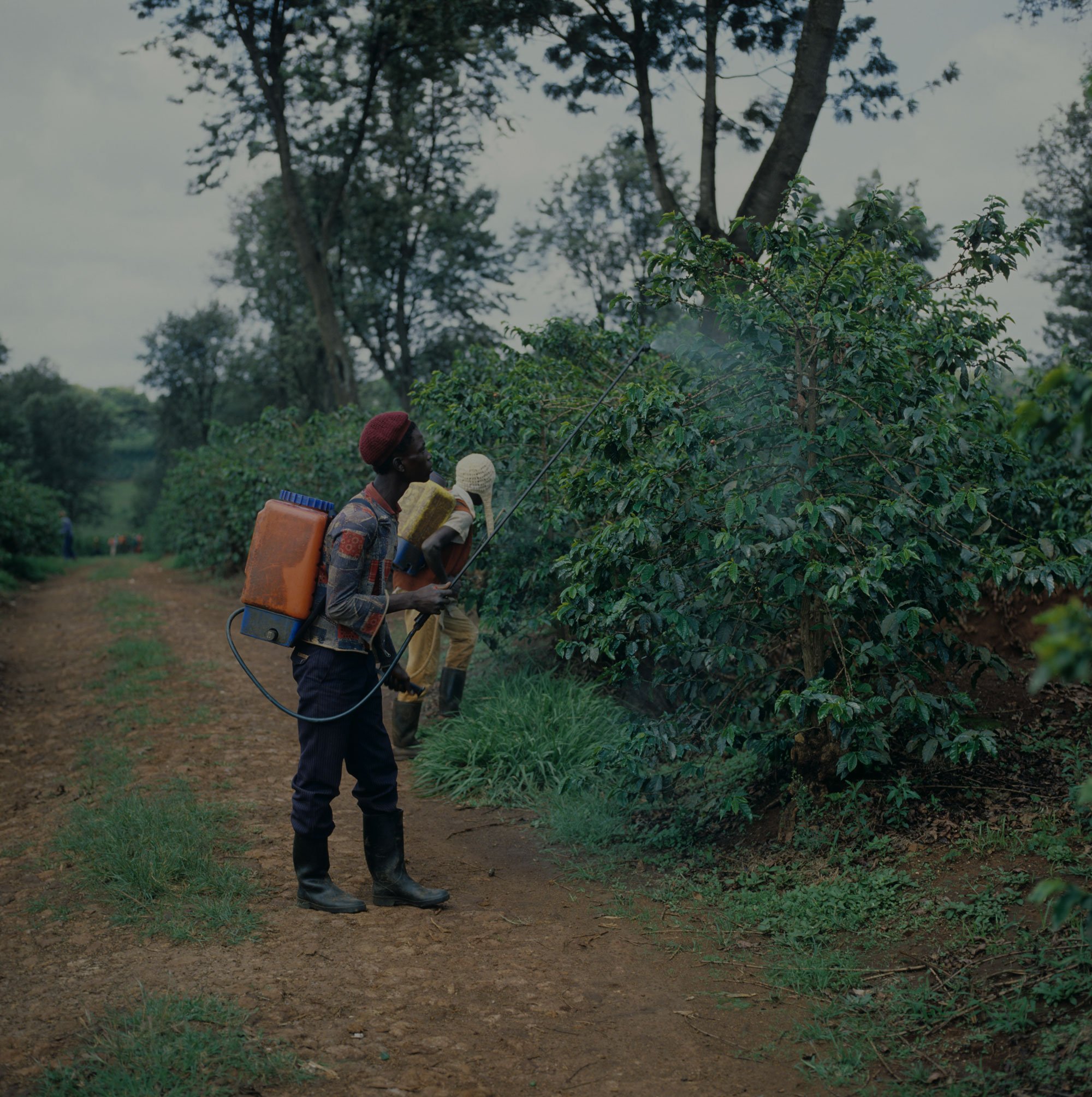
Organic coffee is produced without synthetic pesticides and fertilizers, protecting soil, water, and farmworker health. Certified Organic does however not guarantee no deforestation, fair wages or ethical labor, unfortunately.
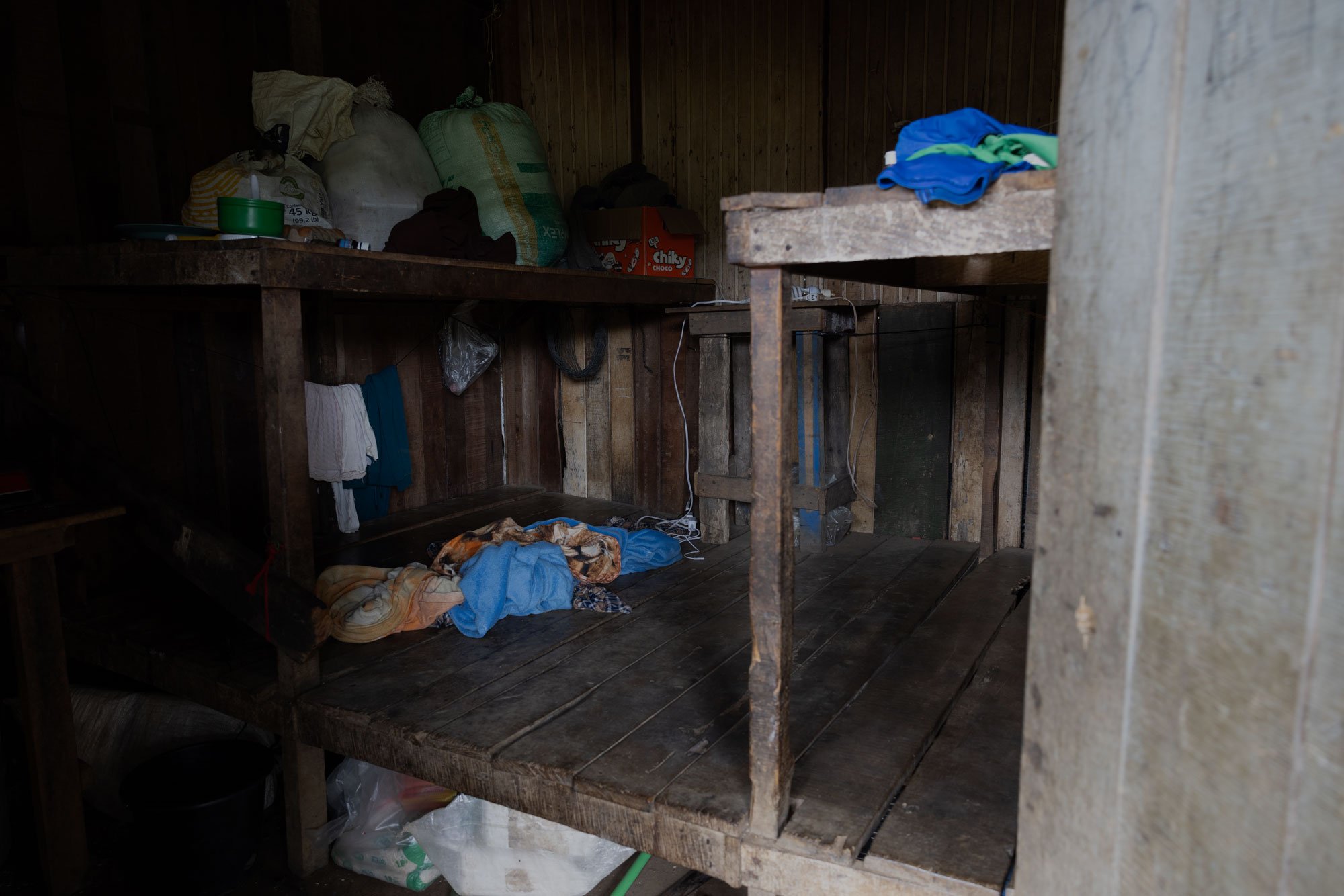
This is one of the most important — and most overlooked — aspects of ethical coffee. Look for “Living income price”, “Living wage” or direct trade models where roasters buy directly from farmers at higher, stable prices.
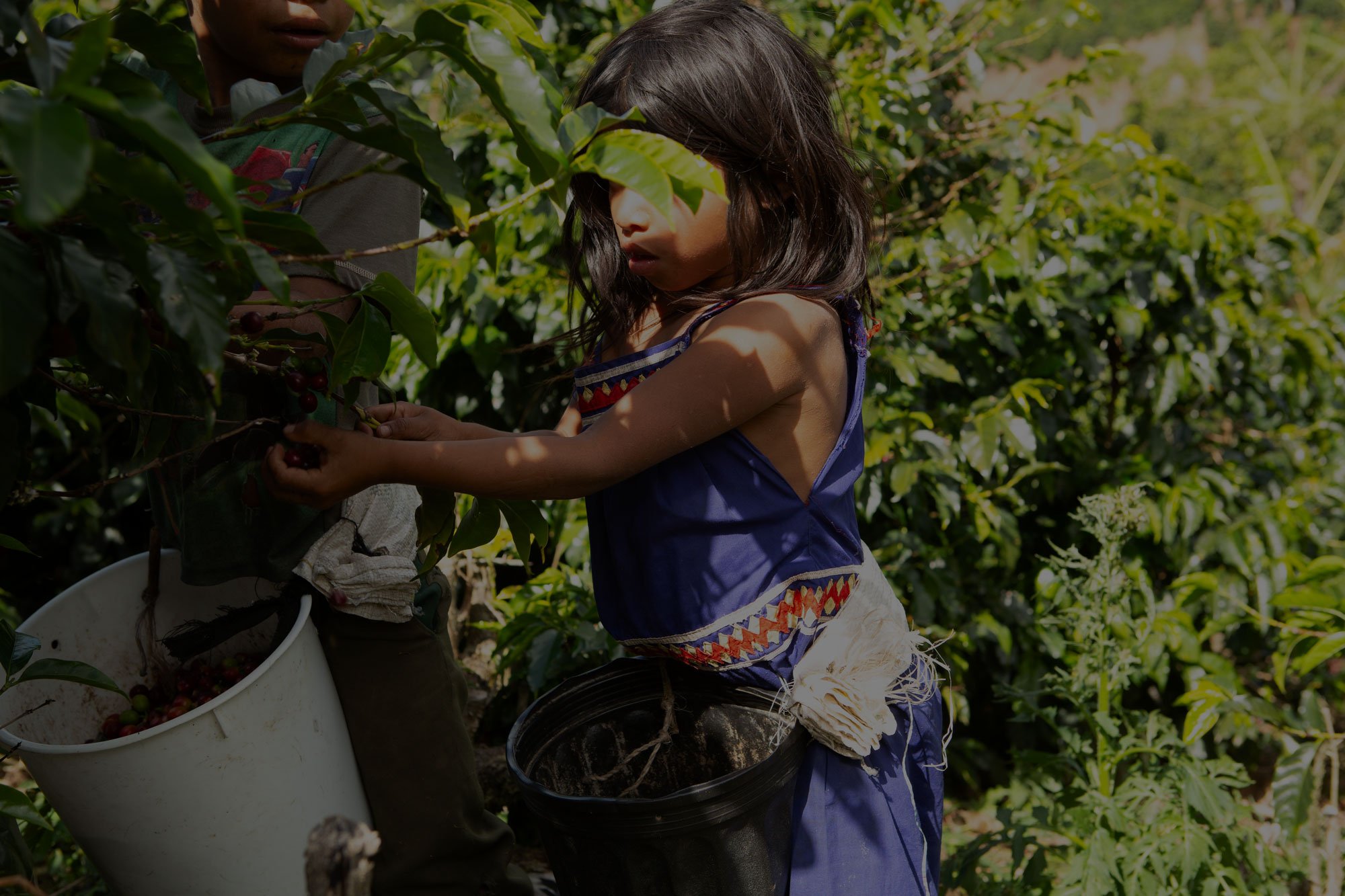
Child labor and forced labor are widespread and systematic problems in the coffee industry, and occurs in numerous of the biggest coffee production countries.
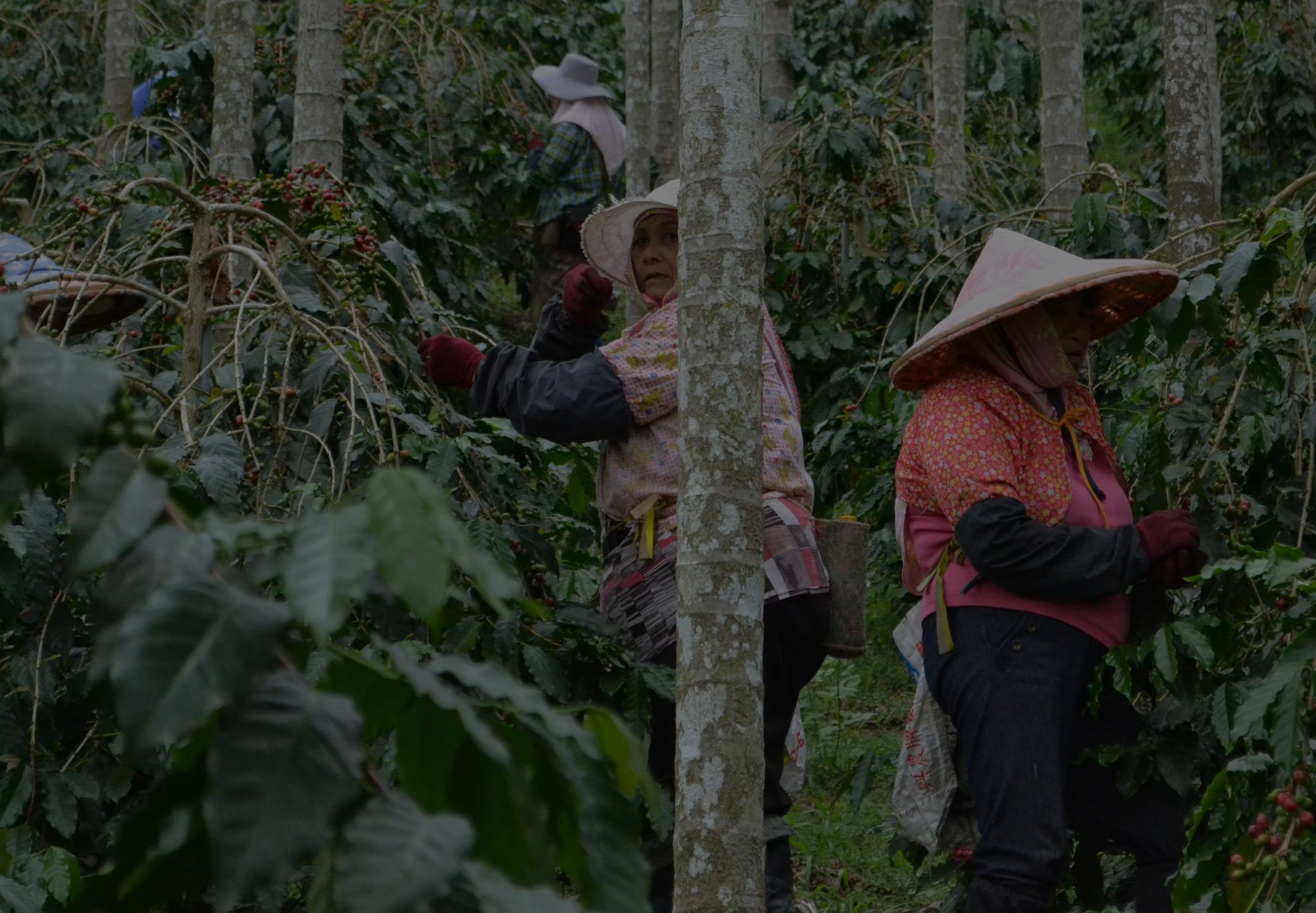
Women provide up to 70% of the labor in the coffee industry, but often face inequality like restricted land ownership, limited access to financing, and lower income.
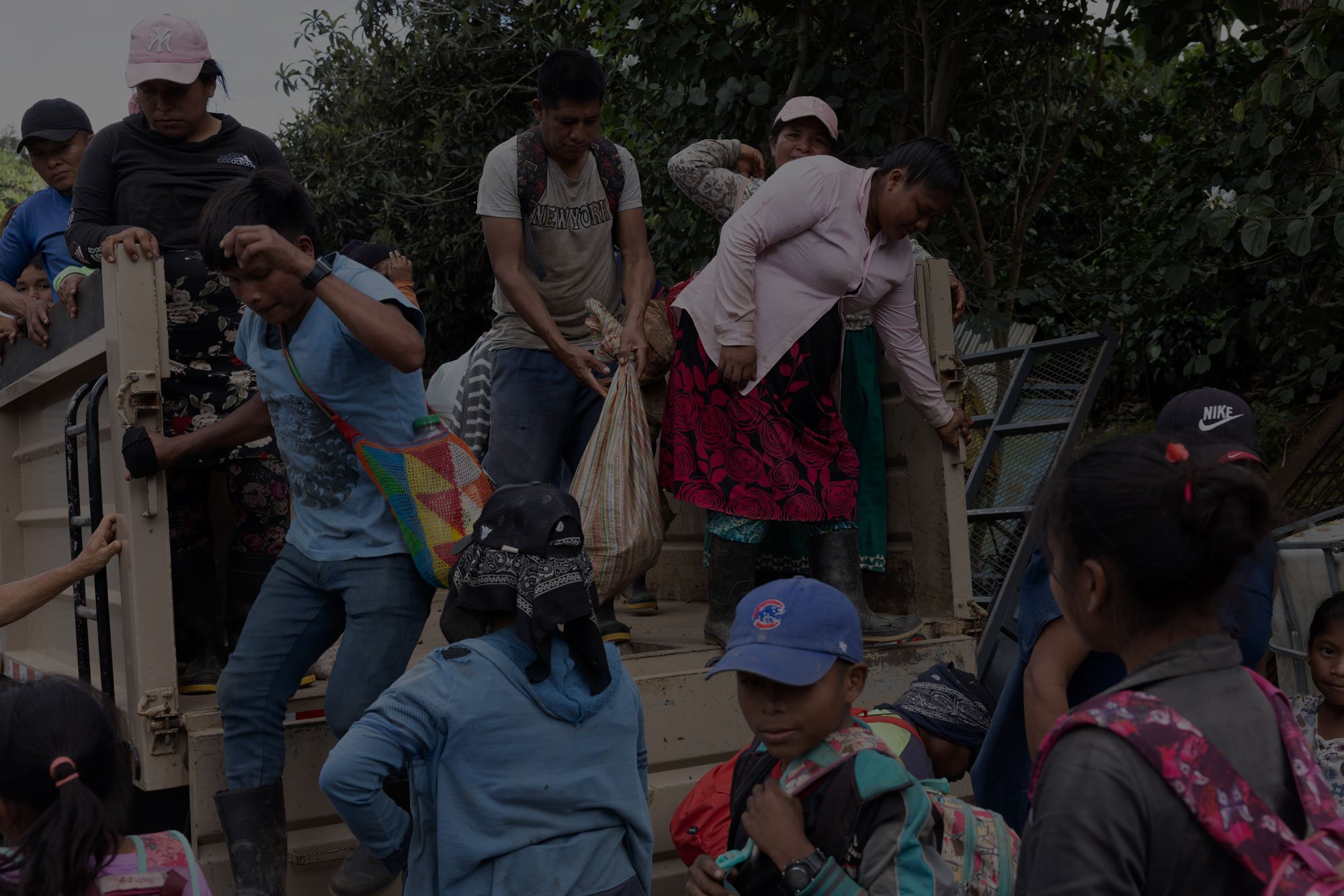
Many farmers and farm workers are unable to unionize due to a combination of legal exclusions, extreme poverty, precarious employment structures, and aggressive resistance from employers.
Few coffee companies seem to care about all these issues, and no single certification covers all of this perfectly, but some come closer than others.
When in Doubt, Choose “Combi-Certified” Coffee. Because no certification is perfect, combining them can cover a broader range of issues.
Smithsonian Bird Friendly + Living Wage/Income
Rainforest Alliance + Fairtrade
Organic + Rainforest Alliance or Fairtrade
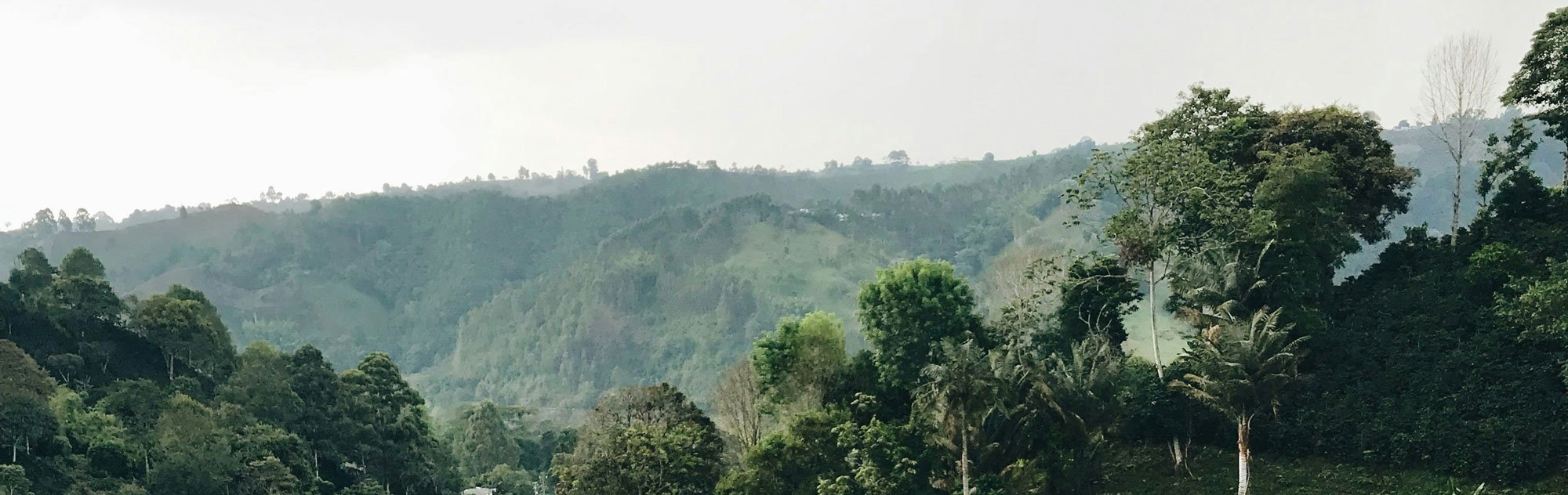
This approach isn't flawless, but it's better than relying on a single certification.
If you'd like to see recommended brands available near you, check out these rankings and buyers' guides created by others for the UK, the USA, and North America.
Want to go the extra mile? You can score some points for sustainability by incorporating these simple steps to cut down on waste as you savor your morning coffee.

20 billion pods are thrown away each year, and many take centuries to break down. Beware of 'recyclable' pods that cannot realistically get recycled.

Coffee grounds can be used as garden fertilizer or compost, odor absorber to deodorize your fridge or home, cleaning scrubs for pots and pans, soil to grow mushrooms and more.

Disposable cups are lined with plastic and rarely recyclable or compostable. A reusable cup cuts waste dramatically and keep drinks hotter.

Most “eco” coffee bags still contain plastic layers. Look for recyclable mono-material bags or compostable packaging.
Manual grinders tend to be an eco-friendly, quiet, and efficient choice, with greater durability and less electronic waste. Here is a little guide to some good ones.
Dairy production has a significant environmental footprint, as well as animal-welfare problems. Oat milk is generally the most climate-friendly choice, followed by soy and rice milk; almond milk tends to require more water.
There is no magic certification or perfect brand.
But every single informed choice towards more ethical and sustainable coffee helps push industry toward a future where farmers earn a living, forests stay standing, and your morning cup becomes a force for good.
Start small.
Stay curious.
Buy with your values.