Coffee Watch Publications and Joint Letters
Letter to the EU Commission
As a member of VOCAL, Coffee Watch supports this joint call on the EU Commission to not reopen the EUDR at the conclusion of the review.Joint Statement: 120+ companies, investors and NGOs unite behind call on the European Commission to implement the EU Deforestation Regulation
We join over 120 businesses, investors & civil society voices with one message: implement the EU Deforestation Regulation now. Today we call on the European Commission to regain control of the legislative process and commit unequivocally to implementing the EUDR without further delays or dilution.
Wake Up and Smell the Deforestation
Ahead of the Brazilian COP, this new Coffee Watch analysis finds that from 2001 to 2023, Brazilian municipalities with dense coffee cultivation lost more than 11 million hectares of forest. Within that footprint, at least 312,803 hectares were directly cleared for coffee, a footprint on the scale of Honduras.VOCAL network letter to EU Leaders
VOCAL network calls on EU leaders to uphold the EU's commitment to the EUDR - particularly in light of recent discussions surround a "zero-risk" category and extended postponement of the EUDR's implementation.Dear MEP's: Don't Be Misled!
Coffee Watch delivered a letter to MEPs urging them to defend the EUDR against continued pressure from lobby groups. In contrast to statements from the lobby groups they are members of, numerous leading coffee companies explicitly affirm their support for the EUDR.
Checking EUDR Non-Compliance in JDE Peet's Brazilian Coffee
Coffee Watch and AidEnvironment, release the first of a series of company deforestation risk profiles forming the basis of a new deforestation regulation Compliance Checker. The first company profile examines JDE Peet’s and links incidents of possible non-compliance with the EUDR.Get Deforestation Out of Europe's Coffee
This briefing provides separate lines of evidence for why it is vital that coffee be regulated by the EUDR, and why coffee companies seeking to undermine the EUDR or find excuses for non-compliance, should not be considered as neutral interlocutors articulating reasonable and data-driven arguments.
Coffee Prices Skyrocket From Decades of Deforestation
To save future coffee, adopting agroforestry is key. Coffee is a “cannibal commodity.” Its production has killed the forests that have helped it thrive. Now, standing in the wreckage of once-spectacular tropical forests, coffee farms struggle.
Robusta's Reckoning
Vietnam’s Robusta Reckoning is a new major investigation revealing the deforestation and other risks tied to Vietnam’s booming coffee sector. The report draws on extensive new satellite mapping data, scientific studies and government records to show decades of intensive farming, climate stress, and unchecked deforestation pushing Vietnam’s coffee heartlands to a breaking point.
Drinking Deforestation in German Coffee
A new study by Deutsche Umwelthilfe (DUH) in cooperation with Coffee Watch finds that coffee consumption continues to be linked to deforestation, the use of highly toxic pesticides, and labor law violations. The study examines how 21 German coffee companies implement due diligence in coffee supply chains based on self-reported information.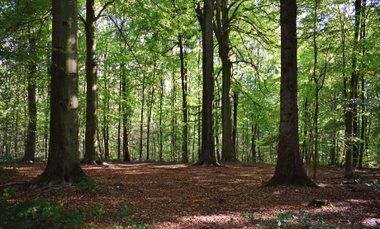
Joint Statement: IT’S TIME TO ENFORCE THE EU DEFORESTATION LAW
Joint Statement: It's time to enforce the EU Deforestation Law! In response to efforts to weaken the EUDR and delay it, we’ve joined 74 NGOs in a statement urging policymakers to hold strong and ensure the EUDR is implemented by the end of the year.Checking EUDR Non-Compliance in Brazil's Rondônia Region
This coffee risk profile of Brazil’s coffee production state Rondônia is part of a series of reports for AidEnvironment’s Compliance Checker. This sustainability risk profile of Amazon state Rondônia analyses potential noncompliance case studies in the scope of the EUDR.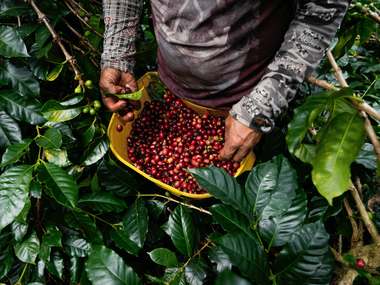
The World's Best Coffee?
Repórter Brasil, with support from Coffee Watch, visited properties that hold major certifications and found bathrooms without showers, dark and poorly ventilated rooms, and improvised kitchens. Not to mention long working hours and a lack of formal employment contracts.
FARM Rio, Say No to Exploitation and Slavery!
Over a dozen organizations from around the world call on FARM Rio to end its partnership with Starbucks or make the partnership conditional on major reforms following mounting evidence of serious human rights violations in Starbucks’ supply chains in Brazil and beyond.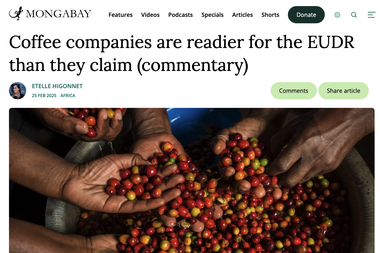
Coffee Companies are readier for the EUDR than they claim
Coffee Watch Director Etelle Higonnet wrote an op-ed in Mongabay criticizing major coffee companies for their attempts to weaken and delay the EUDR. She highlights the EU coffee sector’s links to deforestation and labor abuses and argues companies can comply at low cost without shifting the burden onto farmers.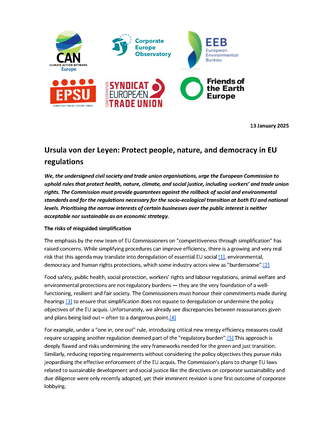
Joint Letter to Ursula von der Leyen
We have joined over 265 organisations to call the EU commission to uphold regulations that protect health, nature, climate, social justice, including workers' and trade union rights. Europe’s ability to tackle key issues like the climate and to foster social justice depends on it.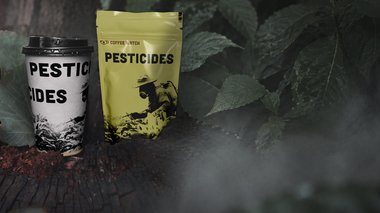
Poison in Your Coffee
Coffee Watch, Inkota, Deutsche Umwelthilfe, and Pesticide Action Network, released a major new report exposing the widespread use of Highly Hazardous Pesticides (HHPs) across coffee-producing countries, linked to cancer, neurotoxicity, reproductive harm, endocrine disruption, and catastrophic biodiversity loss.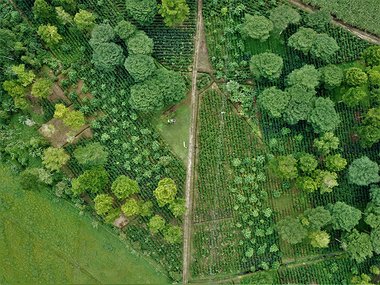
New Coffee Agroforestry E-Library
The Coffee Agroforestry E-Library is the world’s first comprehensive online database dedicated to scientific literature on shade-grown coffee, also known as agroforestry. This new resource brings together decades of research from languages and countries around the world into one accessible platform.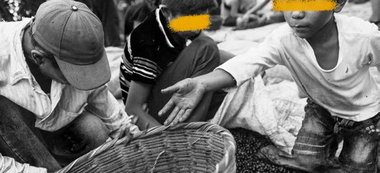
Reports to BAFA Challenge Coffee Giants Under Germany’s Supply Chain Due Diligence Law
Coffee Watch, International Rights Advocates, and others, have filed reports under the German Supply Chain Act against Nestlé, AmRest/Starbucks, and Dallmayr documenting serious human rights violations along the companies' supply chains on coffee farms in China, Mexico, Brazil, and Uganda.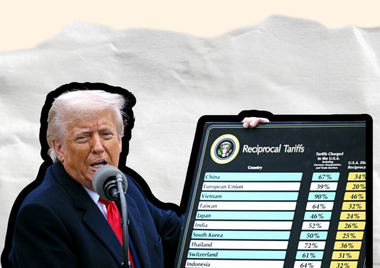
How Tariff Wars and Tariffs Crush Coffee-Growing Countries
Across the global coffee trade, a quiet injustice brews: coffee-producing countries are systematically penalized for adding value to their own beans, locked into poverty by tariff systems that reward raw exports and punish local processing.Joint Statement: Proposals to simplify EUDR threaten forest protection and EU’s credibility
In a joint statement, CSOs call on all EU institutions and Member States to stand by the commitments made, to uphold the integrity of the EUDR, and to focus on enabling implementation — not dismantling a regulation that is essential for forests, climate action, and global credibility.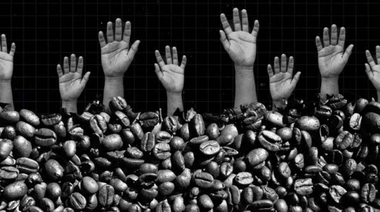
Stop Slavery-Tainted Coffee at the Border
International Rights Advocates filed a U.S. lawsuit against Starbucks alleging trafficking and Coffee Watch filed a petition with U.S. customs asking them to block imports from Brazil to the U.S. of coffee tainted by forced labor by top importers including Starbucks, Nestlé, and more.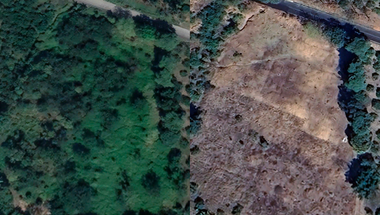
Exploitation and Opacity
A new report by Empower, Coffee Watch, and ProDESC finds that Mexican certified coffee marketed by Nestlé and Starbucks, is plagued by human rights violations, negative environmental impacts, and exploitative practices that trap small producers in Mexico in a cycle of extreme poverty.